

Treatment Areas
Treatment Areas Overview
Whether it's smoothing forehead lines, contouring your midsection, or restoring volume to your lips, your provider builds a plan around that specific area and your personal goals, not a generic protocol.
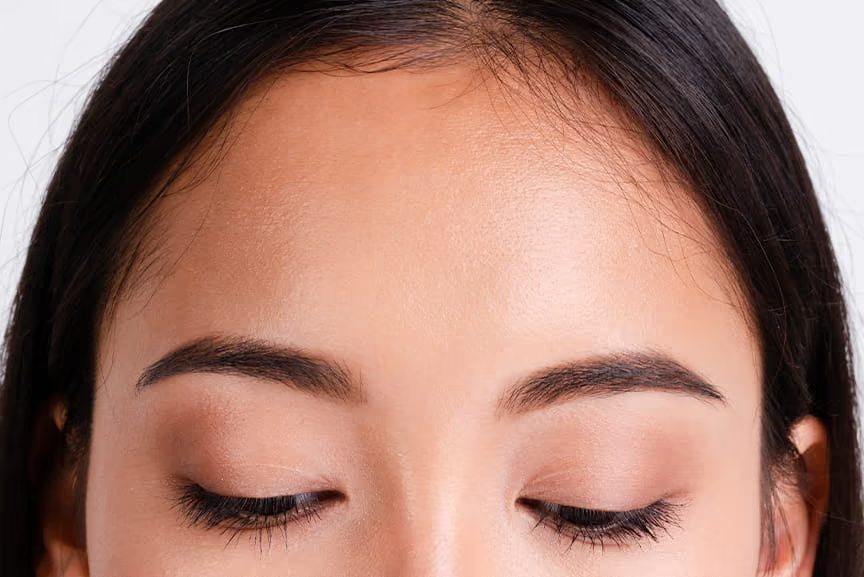
Forehead
The forehead moves constantly through frowning, squinting, and raising the eyebrows, which is why expression lines tend to appear here before anywhere else on the face. Left untreated, these dynamic lines can deepen over time and become visible even at rest.
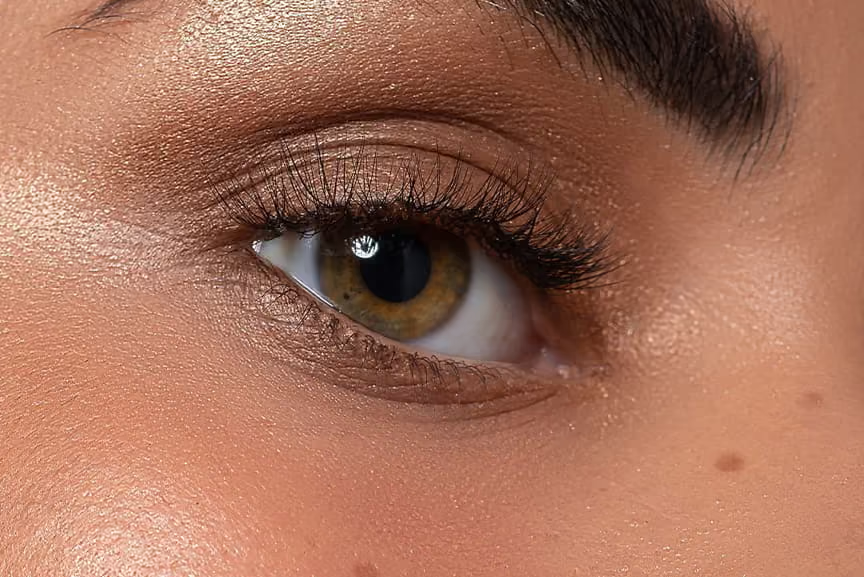
Eyes & Under-Eyes
The skin around the eyes is thinner and more delicate than anywhere else on the face, which is why fatigue, fine lines, and volume loss tend to show up here first. Because this area has little natural support, signs of aging can be more visible and harder to conceal than elsewhere.

Cheeks
The cheeks provide much of the face's natural structure and support, but they're also one of the first areas to lose volume with age. As that volume fades, the midface can start to look flat, hollow, or tired even when nothing else about your appearance has changed.
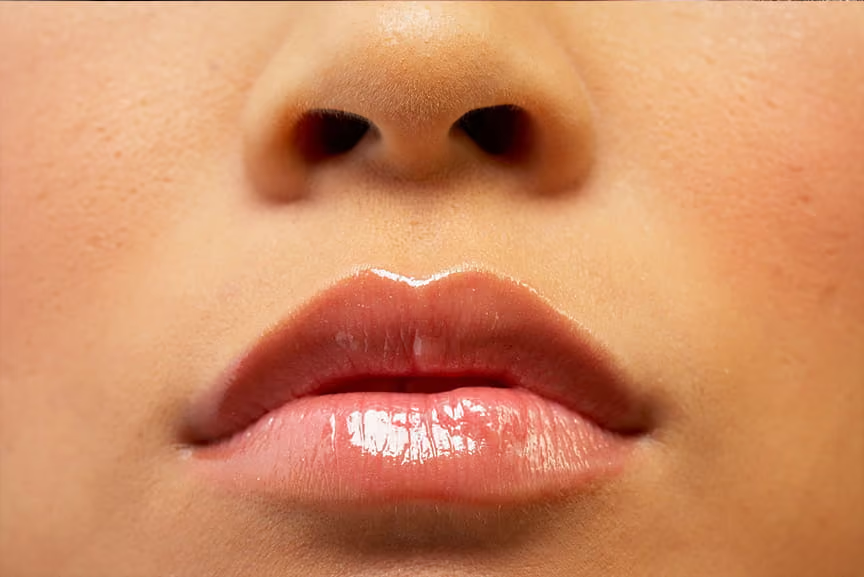
Lips
Lips naturally thin and lose definition over time, and asymmetry or uneven shape can throw off the balance of the whole face. Because lips are one of the most visible features on the face, even small changes here tend to have an outsized effect on your overall look.

Nose
The nose is one of the most central features on the face, so even subtle irregularities like a bump or asymmetry can be more noticeable here than almost anywhere else. Since surgery isn't the right fit for every patient, many look for a non-surgical way to refine this area first.
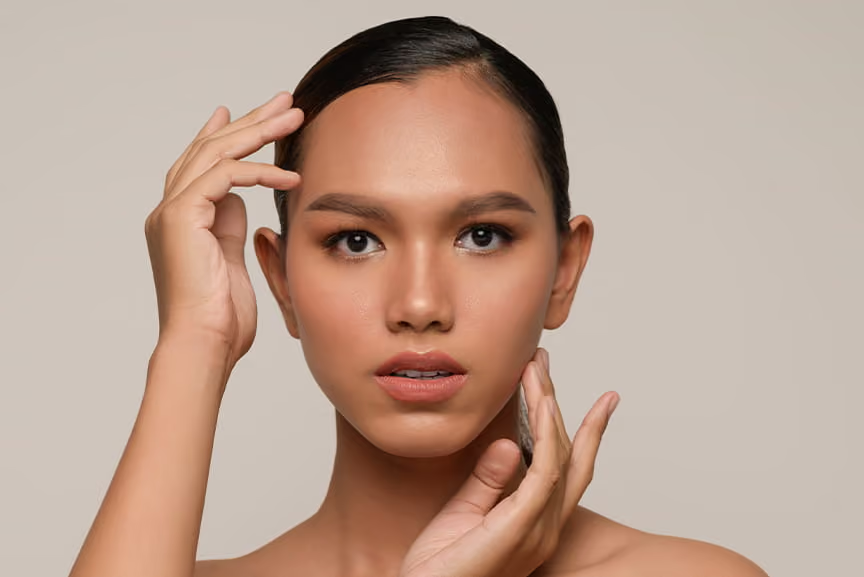
Full Face
Aging and volume loss rarely affect just one feature at a time, they tend to show up across the forehead, cheeks, jawline, and skin quality together. Addressing the face as a whole, rather than one area in isolation, is often what creates the most natural, cohesive result.